

Scauri, Lemanik: positive outlook on gold and the defence sector
The gradual erosion of the dollar strengthens gold’s role as a tool for preserving real value and diversifying sovereign risk.
by Andrea Scauri, manager of the Lemanik High Growth equity fund*
We maintain a positive view on equity markets, supported by an overall favourable macroeconomic backdrop and improving fundamentals, driven by monetary and fiscal policies. After the rebound (+20% in 3 months) triggered by the acceleration in the third quarter, Italian shares and European stocks have stabilised over the past month, awaiting confirmation of the recent trends also in the fourth quarter, despite a tougher comparison base. We are optimistic on Gold and the Defence sector, which is why we recently rebuilt a position in Avio and Fincantieri.
The overall visibility for 2026 depends on continued growth in US spending on artificial intelligence, defence investment, decarbonisation-related themes and a return to growth in Chinese consumers. The performance of the European defence sector was weak in the fourth quarter because of the peace talks in Ukraine, which appear to be progressing but with no evidence of a genuinely positive outcome. However, the emerging scenario shows that the United States is preparing for a further pullback from the Old Continent, forcing European countries to confirm (if not increase) their own military investment. For this reason, following the sector’s recent downgrade, we reaffirm our positive outlook on defence stocks (Leonardo, Avio and Fincantieri among Italian names - Hensoldt, Rheinmetall, Renk among European names). In addition, we see room for companies exposed to reconstruction and infrastructure themes, such as Danieli. We note our recent new positions in Stm and Saipem, both potentially benefiting from a significant upward revision in EPS. We have massively rebuilt our exposure to the defence sector after the weakness in the fourth quarter of 2025.
Our favourite themes include Stm and Saipem. Azimut is one of our main single-name positions thanks to its very low valuation versus peers, excellent inflow data and the planned spin-off of the "new bank", which should lead to a rating upgrade for the entire group. Telecom Italia Svg remains a key position thanks to a solid investment case, supported by a better competitive landscape and much clearer governance with the arrival of Poste Italiane; we remain very selective on financials, favouring Bper and Bmps. We are focused on infrastructure, driven by the investments planned by the German fund for energy, digital and infrastructure renewal (Danieli Sav.). We maintain our position in Mfe (Media For Europe), following the successful bid for ProsiebenSat1. The integration between the two media companies could generate significant synergies, more than doubling Mfe’s standalone Ebitda.
In Italy, the mid cap index (Ftse Mid) outperformed the main index (Ftse Mib), posting +3% versus +1.6%. In the United States, all indices ended in positive territory, with small caps standing out in particular: the Russell 2000 posted +4.5%, outperforming the S&P500 (+0.6%) and the Nasdaq (+0.2%). European growth is progressing at a slower pace than in the United States, but it is showing encouraging signs: January flash PMIs (at 51.5, in expansionary territory) indicate that the Eurozone economy continues to grow at a moderate pace, with manufacturing showing signs of stabilisation.
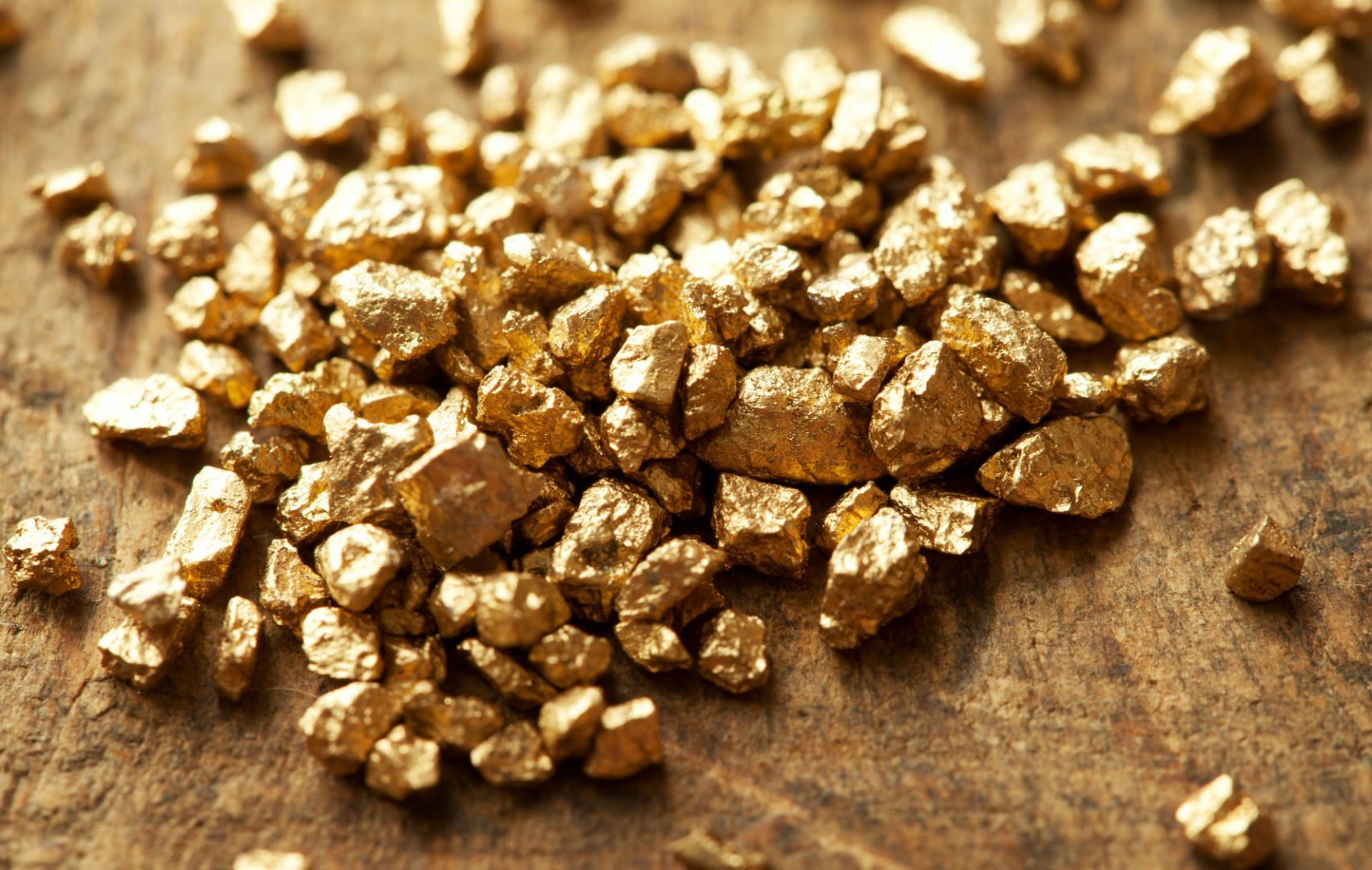
In January commodities rose (Bloomberg Commodities Index +8%), but gold and silver suffered a sharp correction in recent days, with a drop in value of more than $7 trillion. Since 28 January, silver has fallen 27% to $85 an ounce and gold 10% to $4,890, though still ending January in positive territory. The move, apparently linked to the announcement of Kevin Warsh’s appointment as Fed chair, reflects an abrupt contraction in liquidity rather than a change in sentiment. As volatility rose, selling was amplified by risk limits, margin requirements and volatility control mechanisms. Silver, being a thinner and more speculative market, amplified the stress, with positions recently more crowded.
We remain bullish on gold, as the rise in US public debt and the Fed’s growing need for monetisation imply a backdrop of lower real interest rates and a gradual erosion of the dollar, reinforcing gold’s role as a tool for preserving real value and diversifying sovereign risk. Oil prices also rose (+12% to $69 a barrel) because of renewed geopolitical tensions in key supply areas (Iran, Venezuela) and the resulting increase in the risk premium. Natural gas also saw a sharp increase (+45% to €40/MW/h) due to the cold snap in the United States, which boosted demand and curbed LNG exports, with knock-on effects for the European market.
The announcement of Kevin Warsh’s appointment at the head of the Fed was initially interpreted by markets as a more "hawkish" signal, triggering a temporary strengthening of the dollar and profit-taking on gold and commodities. In reality, both his recent track record and macroeconomic dynamics suggest that Warsh could take a more pragmatic rather than restrictive approach, particularly in the presence of credit market tensions. Coordination with the Treasury could become central, increasing uncertainty over the path of interest rates and opening the door to unconventional measures. Overall, in our view, his appointment adds short-term volatility, but does not alter the structural constraints that continue to drive the macroeconomic outlook.
* Best Italian equity fund by performance in 2025
Tags
Related articles


Newsletter
The Patrimoni & Finanza newsletter
A considered selection of analysis on economy, Real Estate and wealth
The subscription service is not connected yet: no address is stored