
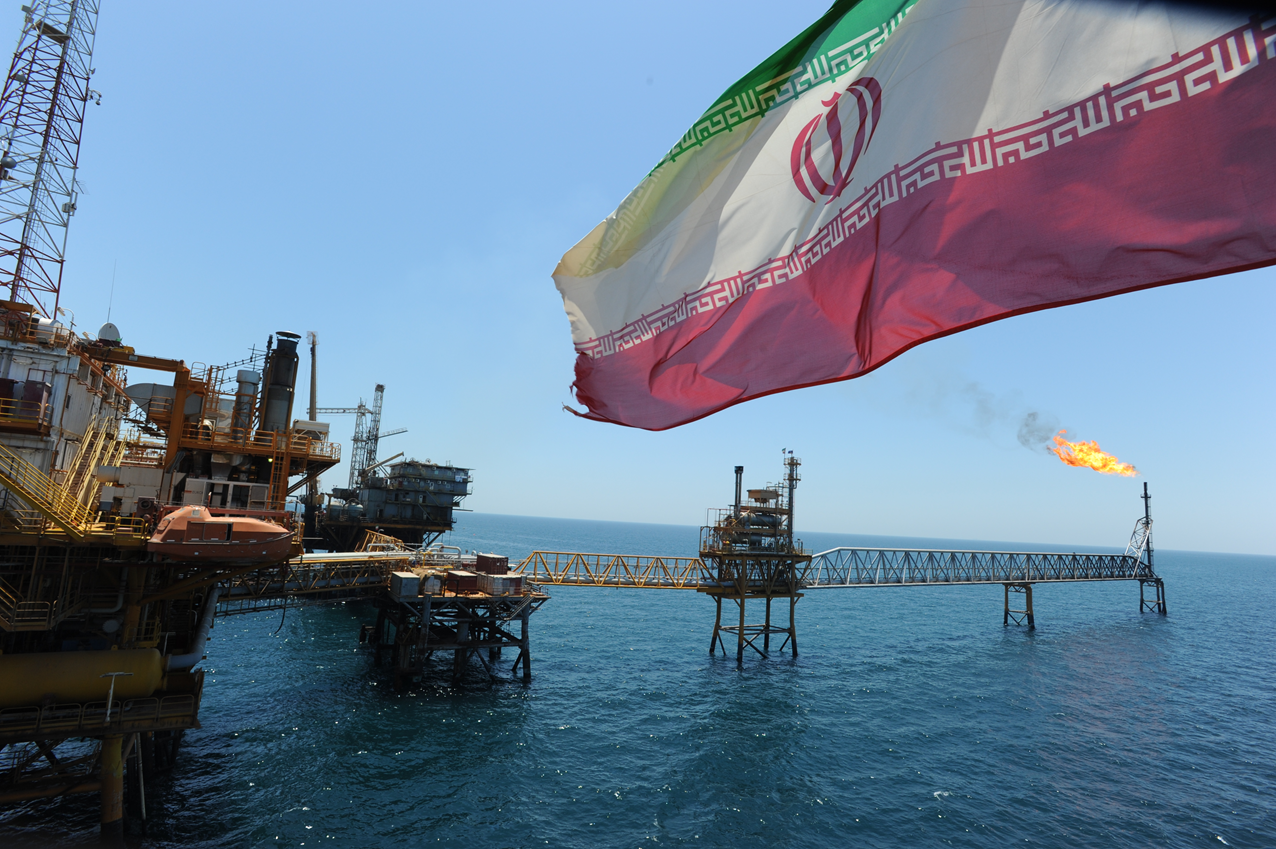
The Strait of Hormuz Reopens: from confrontation to risk management
The reopening does not amount to a definitive solution, and the balance remains fragile. Risk does not disappear, but changes form: from acute and immediate to latent and manageable.
by Francesco Megna, head of commercial at Hub banca and expert in finance and markets
Winds of peace are once again blowing over the Persian Gulf and, with them, one of the most strategic arteries of the global economy is reopening. After weeks of tension and blockages, the Strait of Hormuz is back in operation, marking a crucial step in the de-escalation phase between the United States and Iran. This is not just a geopolitical headline: it is an event that directly affects energy, inflation and market confidence. The turning point comes with the green light for commercial vessels to pass along coordinated and controlled routes. A decision that reflects a shift in tone in relations between the parties and fits into the broader framework of ongoing negotiations.
The reopening of the strait is a concrete signal: the move is from confrontation to risk management, with the aim of avoiding new systemic shocks. To understand the scale of the event, it is enough to consider Hormuz's role: a significant share of the world's oil passes through here. The blockade had triggered a domino effect across the entire energy chain, with ships at a standstill, insurance costs rising and alternative routes becoming more expensive. The resumption of traffic therefore means an immediate easing of pressure on global supply.
Markets reacted immediately and significantly. Oil posted a sharp decline, with WTI falling by double digits within just a few sessions. A move that reflects the rapid contraction of the geopolitical risk premium accumulated in previous weeks. The market, which had priced in a scenario of prolonged crisis, is now recalibrating expectations toward normalisation. Equity markets also benefited from the new environment. Stock indices moved higher, led in particular by the sectors most exposed to the economic cycle. The reopening of trade routes reduces logistics costs, eases inflationary pressures and strengthens growth prospects, factors that are quickly reflected in valuations.
However, the reopening does not amount to a definitive solution. The passage remains tied to the durability of the ceasefire and to a still-fragile balance. The military presence in the area has not disappeared, and control of the waters remains a strategic element for both sides. In other words, risk does not disappear, but changes form: from acute and immediate to latent and manageable.
From a macroeconomic standpoint, the return to full operability of the strait has significant implications. The decline in energy prices could help cool inflation, giving central banks greater room to manoeuvre. At the same time, reduced uncertainty favours investment and consumption, supporting global growth. The shift from a phase of tension to one of relative stability is also reflected in investor behaviour. During the crisis weeks, flows had concentrated on defensive assets, while now there is a gradual return to riskier instruments. The normalisation of operating conditions reopens space for strategies more focused on returns. One key point remains, however: the speed with which markets reacted shows how decisive the geopolitical component is today. A few signs of easing are enough to trigger significant moves, just as any new tensions could quickly reverse the picture.
Ultimately, the reopening of the Strait of Hormuz represents a turning point. It does not yet mark the end of tensions, but it clearly indicates a change of direction. Winds of peace are prevailing over winds of war, for now, giving markets a foundation on which to rebuild confidence and stability. The real challenge will be to turn this truce into a lasting balance. But for now, for the economy and the markets, the message is unmistakable: the most critical phase seems to be behind us and normalisation, albeit gradual, is once again possible.
Tags
Related articles

Newsletter
The Patrimoni & Finanza newsletter
A considered selection of analysis on economy, Real Estate and wealth
The subscription service is not connected yet: no address is stored