
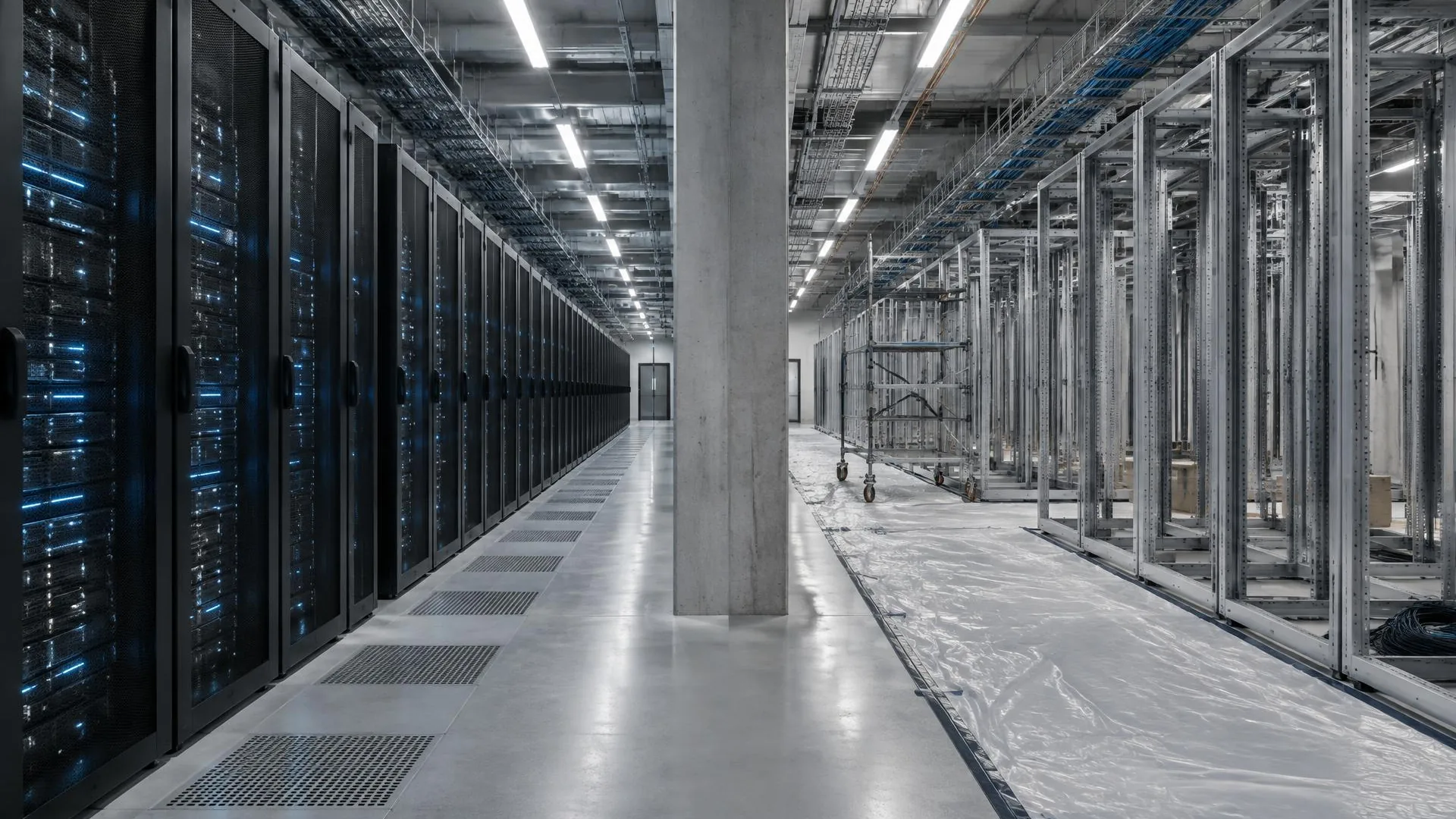
Artificial Intelligence: winners, followers and losers. What role for Anthropic and OpenAI after the listing?
According to Hendrik Leber of ACATIS, rates and the cost of capital separate those who fund AI from their own cash from those who depend on external investors
According to Hendrik Leber, founder and chief executive of ACATIS Investment, to distinguish the companies that can profit from artificial intelligence you need to look at how they finance investments. Building computing capacity requires capital today, while revenues arrive at uncertain times and in uncertain amounts. If rates remain high and the premium demanded by bondholders for credit risk rises, the same infrastructure can become far more expensive for those who need to refinance.
From public finances to tech balance sheets
In Leber’s reading, the US Treasury’s financing needs help keep the supply of bonds high and make conditions less favourable for those seeking capital. The fund manager also links the stock-market jitters to reactions to the results of Alphabet, ServiceNow and Intel, after two years of strong growth, and sees the new political balance following the mid-term elections as a possible brake on government action. His argument is that if AI revenues disappoint, a higher financing cost will make valuation revisions more likely.
Three groups, one cash distinction
In the first group Leber places the potential winners: he cites Microsoft as an example of a company able, in his reading, to support the infrastructure with operating cash flow. In the second he puts the followers, including Alphabet: companies that can combine cash and external funding and that have data, computing capacity and expertise to monetise. In the third group he concentrates risk: if a company has negative operating cash flow and depends on external capital, a market less willing to fund it may force it to scale back investments and, in the worst cases, put its going-concern status at risk. This is the fund manager’s classification, not a definitive judgment on the individual companies.
Chips, software and companies far from technology
Leber distinguishes between those developing the models and those providing the infrastructure or selling services to businesses. On the first side of the supply chain he cites TSMC; in software he points to SAP, ServiceNow and Salesforce, which can integrate AI into the tools through which companies manage data and processes. He also looks favourably on companies outside the technology race that generate cash consistently and meet recurring needs. He says ACATIS funds anticipated this direction.
Anthropic and OpenAI: two different situations
Leber interprets Anthropic’s fundraising as a prudential move: securing resources before capital can become more expensive or less accessible. That is his interpretation, not a statement from the company about its own motives. Anthropic set the listing price at $83 a share on 18 November; trading on Nasdaq is expected to begin on 19 November. For OpenAI, by contrast, the note discusses the possibility of a future listing, without giving a confirmed date.
For the fund manager, a favourable reception for any such deals could prolong enthusiasm for the sector. A weak reception could accelerate the shift to a more selective market, where the ability to turn investments into cash flow matters more than the promise of growth. What matters to watch, even after a good first trading session, is how much capital is needed to secure those revenues and with what margin the company can sustain their cost.
Source: Analysis by Hendrik Leber, founder and chief executive of ACATIS Investment.
Tags
Related articles

Newsletter
The Patrimoni & Finanza newsletter
A considered selection of analysis on economy, Real Estate and wealth
Patrimoni e Finanza — La selezione della settimana: weekly newsletter, sent in Italian
After you submit, if the address can be subscribed you will receive an email with a link to click: the subscription starts only after the click