
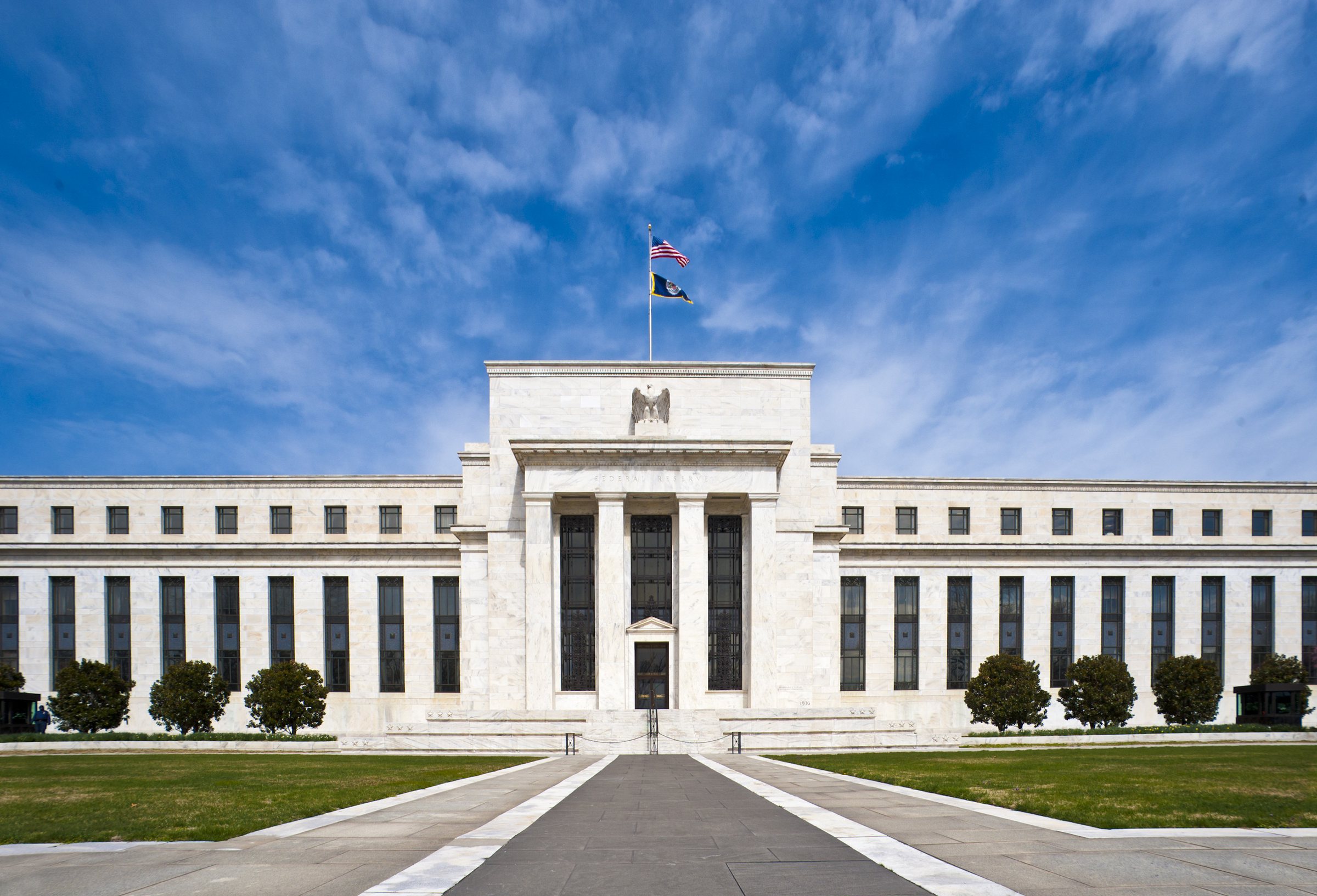
Rising rates and inflation, “this time in (not) different”. We are facing uncontrollable variables
The basic problem is that a system that requires constant debt expansion to sustain itself needs inflation to erode that debt
The bear market in global bond markets shows that the two most important central banks (BOJ and FED) are about to lose control of the “financial repression” strategy needed to keep the cost of multi-year expansionary fiscal policies in check. Despite intervention and the (hardly credible) reassuring statements, Japanese and US government bonds are triggering contagion across global sovereign bonds.
Manipulating the stock market is certainly easier than manipulating the bond market, simply because the stock market is today mainly a retail market, while the bond market is mainly institutional. The unwanted rise in rates exposes substantial cracks in one of policymakers’ main assets: credibility.
Since 2020 we have lived in a setting of structural fiscal and monetary support to avoid a downturn in the cycle that could trigger a global economic depression. The depression would be caused by a debt crisis in the Shadow Banking System, which would trigger contagion to the banking system, producing a contraction in credit and an explosion in insolvencies so far hidden in balance sheets. The main reason why US policymakers have continued to back, to the bitter end, policies that are wildly and openly unsustainable lies in the systemic risk created over 18 years of QE (still ongoing). A recession and the resulting deleveraging of a system loaded with insolvent speculative debt is therefore not an option.
Normal economic cycles served precisely to “clean up” the system of excess unproductive investment and lay the foundations for recovery. The moment one tries by every means to prevent the removal of those excesses, one inevitably chooses to support them, pouring ever larger amounts of financial resources into the roll-over (bailout) of unproductive credit.
This mechanism destroys the monetary and fiscal multiplier, in the sense that the more you intervene, the less you grow, because a significant share of these measures are not investments that generate income but bailouts to avoid booking losses. On this point, see the experience of the Japanese Balance Sheet Recession.
Unfortunately, the strategy of propping up the system has limits. Fiscal and monetary expansion produces inflation, precisely because the goal is to reflate a stagnating economy, but external shocks, wars, energy crises and blockages in the Global Value Chain intensify the impact of reflationary policies on commodity prices.
In the initial phase of fiscal and monetary expansion, policymakers try to impose “financial repression” by controlling the yield curve and manipulating macro data. The aim is to keep rates low while fiscal and monetary stimulus is delivered to the struggling economy. Everything works until uncontrollable variables enter the mechanism, in this case wars and an energy crisis.
Large institutional investors that finance global debt, faced with “uncontrollable variables” beyond policymakers’ control, no longer accept imposed financial repression and begin to demand higher compensation for financing ever-growing debt. At the start of this phase, policymakers threaten intervention to confirm that financial repression cannot be questioned, but since the policies that caused the first crisis cannot be removed, a second, harder-to-contain crisis is triggered.
In this second phase, a credibility crisis begins for those implementing reflationary policies while claiming to be fighting inflation at the same time. The measures do not hold, and the credibility crisis deepens.
The basic problem is that a system that requires constant debt expansion to sustain itself needs inflation to erode it. Financial repression becomes harder to contain if, in addition to fiscal stimulus as the economy’s driver, another driver is added that needs inflation to survive: AI sector capex.
The technology sector, traditionally a producer of deflation, has now become a producer of inflation. Investments in AI create further pressure on energy prices and technological components. Energy and technology permeate the entire global economic and production system, generating inflationary pressures across the whole Global Value Chain.
Another problem is that the entire AI structure needs inflation to support profit targets that are rather difficult to achieve. Nvidia needs excess demand for chips and rising prices to show growing profits, while those who take on debt to finance capex need inflation to erode that debt and to increase prices and revenue.
The speculative bubble in equities also needs inflation to keep going, and it is simply an indispensable piece of the mechanism. Indeed, the rise in expected profits is based on companies being able to continuously pass on ever-higher prices to consumers for what they produce and sell, creating a monetary effect of rising earnings thanks to the fact that price increases are now clearly outpacing growth in output or units sold.
In a system where debt is the main driver of growth, everything holds together if that debt benefits from the financial repression needed to contain its cost; if that mechanism breaks down, then the system built on it breaks down too. So the problem is that these drivers (AI capex and fiscal policies) need inflation to keep going, and this triggers an inevitable clash with those who must finance that debt and with those who must keep consuming (on debt) at rising prices to ensure profits for the system.
I believe we are entering the critical phase in which an inevitable collision between the interests of one side and the other begins to emerge. Financiers are demanding higher rates and consumers are being decimated by inflation.
It is important to keep in mind that the data published on consumption are not in real terms but in nominal terms, so they appear resilient only because they reflect spending at rising costs. Fuel and energy bills inflate the figure, which in real terms has long since stalled, and the situation is clearly shown by consumer confidence data, which sits at historic lows.
In recent weeks we have seen the spread of the narrative that rising rates will have no effect on the cycle or on the sustainability of the speculative bubble. All the major US investment banks have hastened to play down market concerns, basing the story on the well-known theory that “this time is different”. In my view, the increase in the cost of debt will cause further damage to Commercial Real Estate (4.5 trillion in loans with 12% distress), to Private Credit and Private Equity (already struggling for 4 years) and to consumer credit, where default rates are already above 2008 levels.
All these credit sectors, worth about 30 trillion dollars (80% of GDP) and already in crisis since 2022 with Treasury yields at 3%, will certainly not improve with rates above 5%; on the contrary, non-performing loans (NPLs) will keep rising. The system’s fundamentals will therefore worsen further, and more fiscal stimulus will be needed to avoid a downturn in the cycle, pushing public debt even higher.
Insolvencies in the system, both hidden and open, will rise inexorably and significantly affect securitised credit in ABS and CLOs. Investors in securitisations will demand higher rates to protect themselves from further credit deterioration, and the FED will certainly not be able to control this dynamic.
Monetary conditions in the Shadow Banking System, which finances 60% of credit to the economy and where rates trade in the 8%-15% range, will become even more restrictive.
The FED and BOJ will therefore be forced to raise rates, but they will continue to remain “behind the curve”, because they cannot afford to pursue genuinely restrictive policies. So investors will keep selling bonds and pushing rates higher.
To stop the trend of distrust in the real ability and willingness to fight inflation, we would need credible central banks. But if you want to be credible, you must implement restrictive policies and trigger the crisis that has long been hidden in Shadow Banking and bank balance sheets. The American economy is now a colossal “subprime”, given that speculative credit stands at 40% of GDP versus 28% in 2007, and 27% of consumers (on debt) are classified as subprime by Equifax.
At this point, if we continue along these economic and monetary policies, designed to support a system that cannot survive without them, a crisis of confidence in monetary institutions looms, as has already happened in recent months with the yen and JGBs. The central banks of Japan and the United States have tried to remain “behind the curve” so as not to wage the anti-inflation fight needed to erode debt; now the situation is becoming critical, since those who finance the debt are demanding protection from the inflation these policies create.
Two scenarios now appear likely: continue to remain “behind the curve” and therefore cause further bond selling and a crisis, or try to reposition “ahead of the curve” to stop the inflation that the system, however, needs in order to sustain itself. In both cases, difficult scenarios loom for the resilience of the “debt and speculative bubbles” model on which we have based the growth of a system that has been in crisis since 2021.
It is highly likely that in the coming months the manipulation of macro data will intensify, to show that inflation is not rising and that the economy has not been affected at all by the ongoing energy crisis.
The problem is that we keep pushing a narrative about the state of the economy that consumers do not perceive, but that financial markets do. It is therefore certain that it will continue to be the ballot box that determines the credibility of what people are being asked to believe.
Extremist forces, as has long been the case, will therefore intensify further in Europe, while in the United States the Republicans will most likely lose the midterm elections. The Biden administration lost the elections with unemployment at historic lows, the stock market at record highs and the economy “growing”: macro data are unfortunately no longer a reliable benchmark for how things really are, because they are no longer as trustworthy as financial markets tend to believe.
Tags
Related articles



Newsletter
The Patrimoni & Finanza newsletter
A considered selection of analysis on economy, Real Estate and wealth
The subscription service is not connected yet: no address is stored