
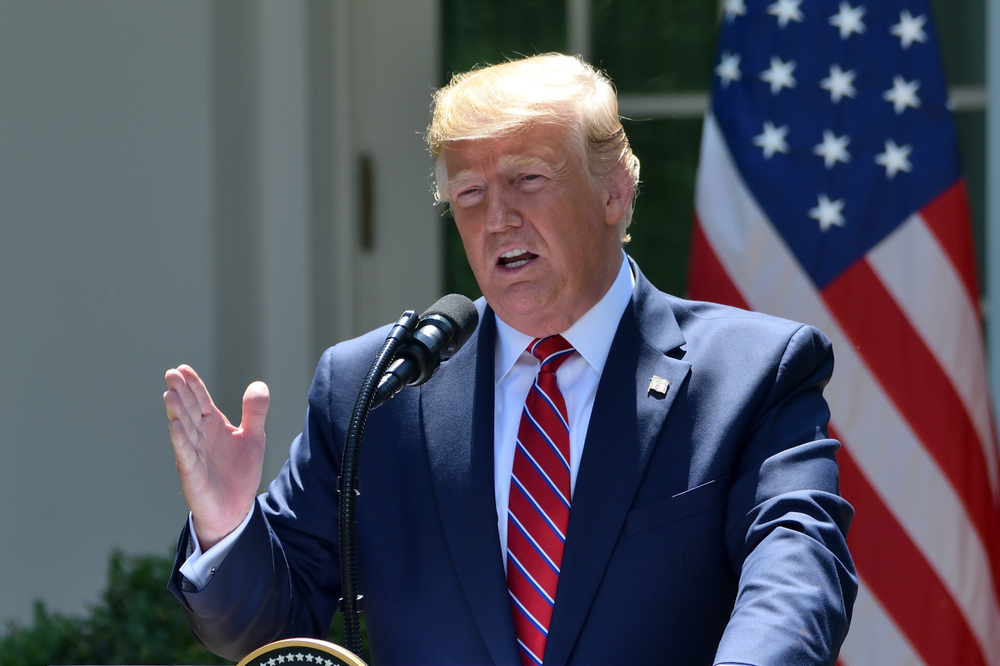
The United States does not want a recession, tariff negotiations likely
Trump does not want a recession, so the probability of tariff negotiations is high. Times when it is difficult to add risk are often the times when risk needs to be added.
by Andrea Scauri, manager of the Lemanik High Growth equity fund
Historically, every 1% slowdown in US GDP has led to a roughly 7% reduction in corporate earnings growth. Europe is not immune: 26% of Stoxx 600 revenues come from the United States, and initial estimates put the impact at a 3% cut in earnings, which would translate into single-digit earnings growth in Europe for 2025.

The US administration does not want a full-blown recession in the United States, nor a crushing defeat in next year’s midterm elections. A rising stock market remains one of the benchmarks of the success of the Trump presidency. Since no one has any interest in triggering a recession and the United States is underperforming the rest of the world on these announcements, we believe the probability of future tariff negotiations is high. It is important to put into context what Trump is trying to achieve: more jobs in the United States; lower tariffs abroad on US goods; lower yields; more private investment rather than government spending; lower energy costs.
We have already noted the weakening in consumer sentiment, even if it is not yet showing up in hard data. The rise in uncertainty will only exacerbate any slowdown. However, an important offset will be the weakening of the oil price. OPEC+ gave Trump a helping hand last week with an output increase three times larger than expected, and as a result oil fell by almost 10% in four days. That is a significant expense for the average US consumer, so lower prices at the pump will help ease the pressure from tariffs.
Companies with localised production, those with pricing power and those that are less economically sensitive will be the clear relative beneficiaries in this environment. We can understand that cyclical stocks have been broadly sold off following the initial reaction to the tariff announcement, but not all cyclicals are the same. The technology sector has been a major talking point and, in some ways, reflects part of the weakness in the United States. Microsoft continues to optimise data-centre construction, which suggests that AI revenues are not arriving at the pace hoped for a year ago. We see the risk that AI capex may not grow next year, and that would be especially problematic for companies closely tied to AI growth.
Earnings revisions (an indicator of corporate confidence) and labour market data are the two most important variables to watch in the short term, along with credit and funding markets as a non-economic factor that could prompt the Fed to step in. We continue to favour quality and defensive equities below the surface of the market. Meanwhile, the consumer discretionary sector is likely to remain the clear laggard when it comes to tariff risk, in line with our long-standing view. This is where the bulk of our portfolio is concentrated, in stocks with very low leverage, healthy balance sheets and a strong position in their core market. In times when it is difficult to add risk, it is often where risk needs to be added. The German fiscal narrative becomes even more important than it was before the sell-off, even from a global equity perspective. This year’s preferred names, less exposed to tariffs, such as defence stocks or those linked to Germany, now offer a much more attractive entry point than they did in previous weeks.
Tags
Related articles


Newsletter
The Patrimoni & Finanza newsletter
A considered selection of analysis on economy, Real Estate and wealth
The subscription service is not connected yet: no address is stored