

Hormuz crisis and energy prices: higher inflation is not a given
Inflation is in a fluid phase and it is difficult to understand how much it will rise in the coming weeks. Any increases could be decisive for central banks’ monetary policy.
By David Pascucci, Market Analyst at XTB
The European Council is about to conclude. In recent hours, the first decisions have emerged regarding energy prices and the scenarios opened up by the war in the Middle East. According to the Council, the energy transition remains the most effective strategy for Europe’s autonomy, through the spread and integration of low-carbon renewable energy sources.
The conflict in the Middle East, however, is currently leading to higher energy prices, which will certainly have an economic impact. The Council is therefore calling on the European Commission to present a package of temporary measures to address the surge in fossil fuel prices. As with fuels, it is also urging the implementation of concrete measures and actions aimed at bringing down electricity prices. The European Council will meet again in June 2026 to monitor the overall situation and assess progress, although informal meetings will also take place in the coming months.
In recent days, there has been talk of a plan to try to partially reopen the Strait of Hormuz, a plan that would allow commercial shipping to resume and is being promoted by the UK, France, Germany, Italy, the Netherlands and Japan. For now, however, it is in effect just an idea; there is nothing scheduled on the table, and no actual plan beyond trying to cooperate in order to find a solution. Meanwhile, traffic through the Strait of Hormuz has fallen by 95%; normally 60 ships pass through each day, but since the outbreak of the conflict only 4 ships a day have been passing on average. The most critical situations are those of China, South Korea and Japan: the latter imports between 80% and 90% of its oil precisely through Hormuz, while China imports 33%, South Korea 85% and India 60%; Europe imports only 12%. One alternative route is certainly via the Cape of Good Hope in South Africa, a more expensive route but one that still allows the flow of goods by sea, albeit with higher operating costs, and which has seen a 100% increase in traffic in recent days.
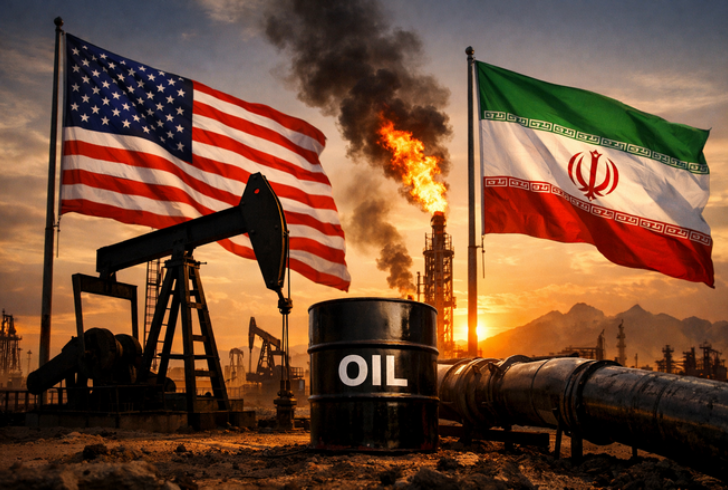
A possible plan to reopen Hormuz is not yet affecting the oil price, which remains around $100, often above that level, and is still on a clearly upward trend. However, we cannot make inflation projections; the scenario is still evolving and we do not yet have the elements needed to understand how much inflation will actually rise in the coming weeks, increases that could prove decisive for central banks’ monetary policy. The same applies to the oil price: a further rise should not be taken for granted, given that in 2022, under similar conditions, it hit a high before falling in the months that followed, just ahead of the Russian invasion of Ukraine, a technical backdrop very similar to the current one.
Tags
Related articles


Newsletter
The Patrimoni & Finanza newsletter
A considered selection of analysis on economy, Real Estate and wealth
The subscription service is not connected yet: no address is stored