

Rome like Paris and Madrid: its historic palaces increasingly sought after by international investors
International investors’ interest in Rome’s historic palaces puts the value of location, property quality and redevelopment opportunities back at the center
Today the real question is not whether Rome’s historic palaces will rise in value, but how many and which ones will actually remain available on the market.
Over the past two years, the Roman market for historic palaces has shown remarkable resilience. Alongside the traditional purchases by private families and wealth investors, several significant deals have been completed on high-end buildings in the historic center and in the Via Veneto area, with values that in some cases exceeded €35 million. At the same time, demand continues to grow for portions of noble palaces in the city’s most prestigious districts, fueled by international buyers attracted by their architectural uniqueness and the scarcity of supply. The trend suggests that Rome is cementing its role as a “trophy asset” market, where the cultural and symbolic value of historic properties carries increasing weight compared with profitability metrics alone.
Main transactions involving historic palaces in Rome (2022–2026)
| Year | Property | Buyer | Estimated value |
|---|---|---|---|
| 2022 | Palazzo Marini | Fort Partners / Four Seasons | €165 mln |
| 2024 | Three historic Roman palaces in the Sapphire Fund | COIMA | Approx. €200 mln |
| 2024 | Liberty palace on Via Arno (Quartiere Coppedè) | Private investor | n.a. |
| 2025 | Historic complex on Via San Basilio (Barberini) | International real estate fund | €37 mln |
| 2025 | Principal floor of a 16th-century palace in the historic center | International private buyer | €13.5 mln |
| 2025 | Former Hotel dei Borgia (historic palace) | Borgia Fund / Leonardo Hotels | n.a. |
| 2026 | Free-standing palace on Via Sicilia | Rome Hotel Development Fund | n.a. |
The Palazzo Marini case: the deal that changed the market - The landmark transaction of the new Roman real estate cycle remains the acquisition of Palazzo Marini by Fort Partners, which invested about €165 million to develop the future Four Seasons Roma. The deal marked a turning point because it showed that even in Italy’s capital there are historic assets capable of attracting global investors with tickets above €150 million.
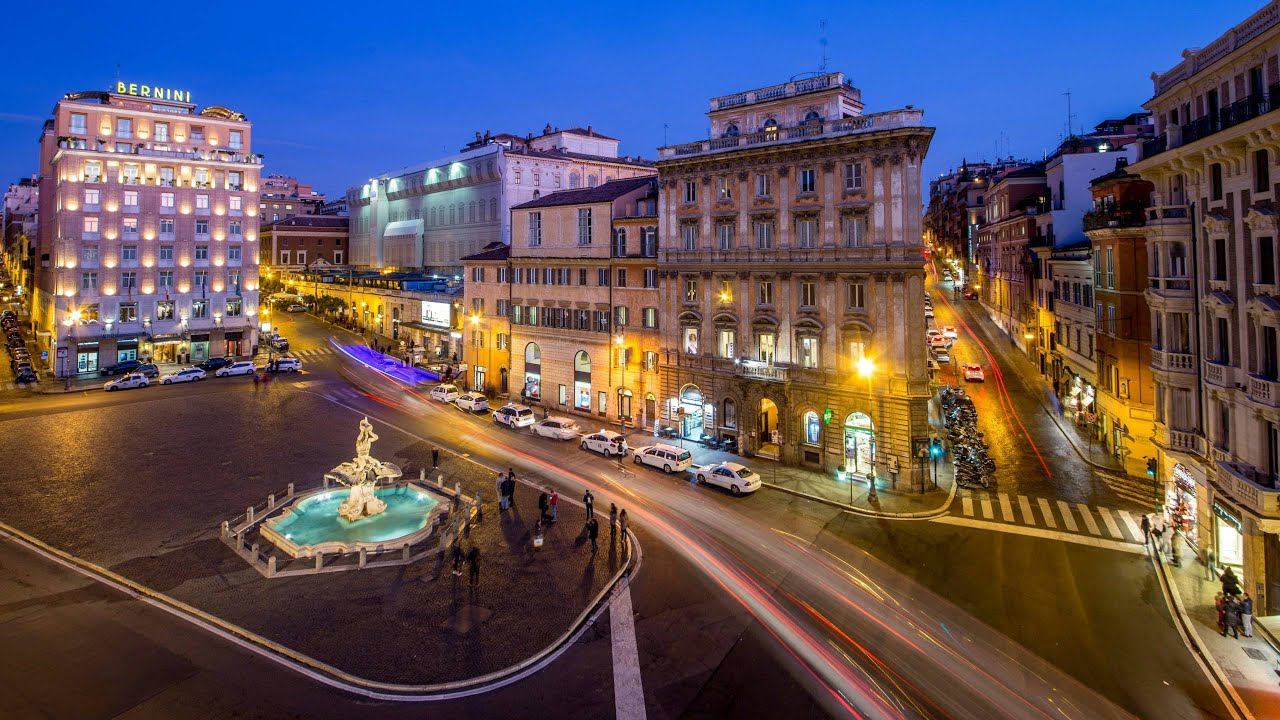
The comeback of the Via Veneto–Barberini area - Between 2025 and 2026, there was a notable concentration of deals along the Via Veneto–Piazza Barberini axis. The sale of the historic complex on Via San Basilio for about €37 million confirmed strong interest in historic buildings that can be converted into hospitality or mixed-use luxury. A few months later, Castello SGR acquired an important free-standing building on Via Sicilia to develop a high-end five-star hotel. These transactions show how the market is now assigning a significant premium to historic properties located in the quadrant linking Via Veneto, Barberini and the historic center.
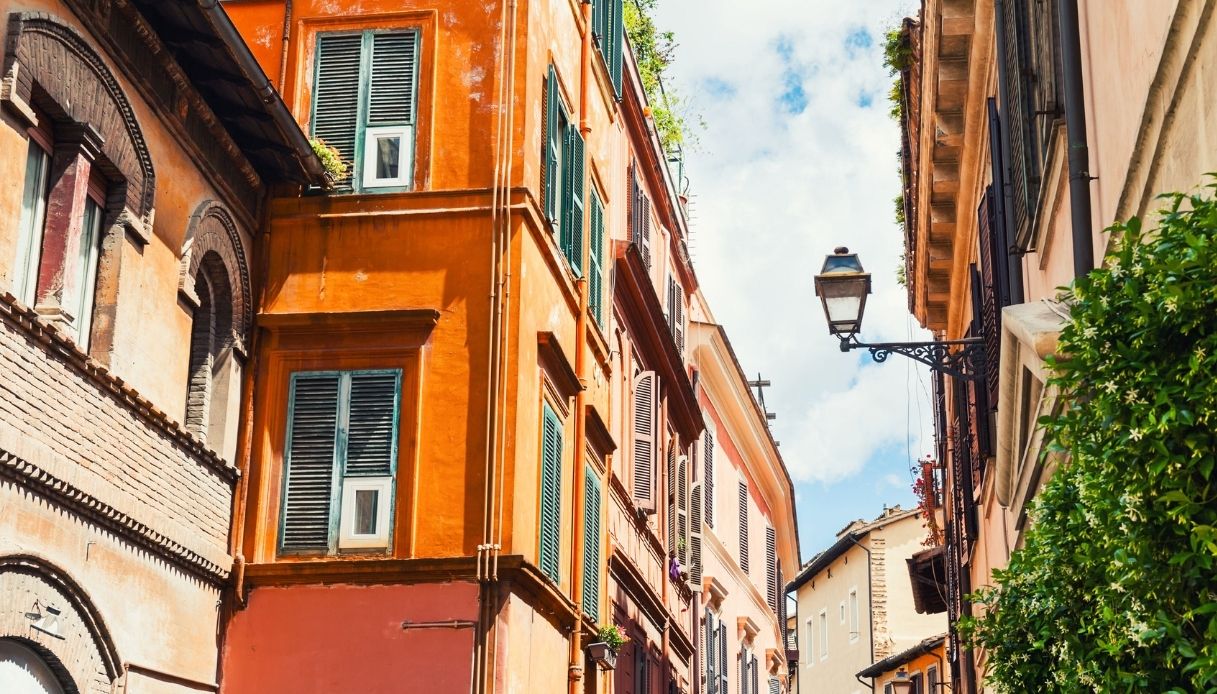
Not only entire palaces: the market for noble portions is growing - One of the most interesting developments in recent years has been the growth in sales of individual portions of aristocratic palaces. In 2025, for example, the sale of the principal floor of a 16th-century palace of about 780 sq m for €13.5 million was made public, at a value of more than €17,000/sq m. This is a market segment that is particularly attractive to:
- European HNWIs;
- family offices;
- international entrepreneurs;
- buyers from the United States, the United Kingdom and the Middle East.
In many cases, the appeal is not based on income but on wealth preservation and symbolism: owning a residence inside a historic Roman palace is an asset comparable to the great historic residences of London, Paris or Madrid.
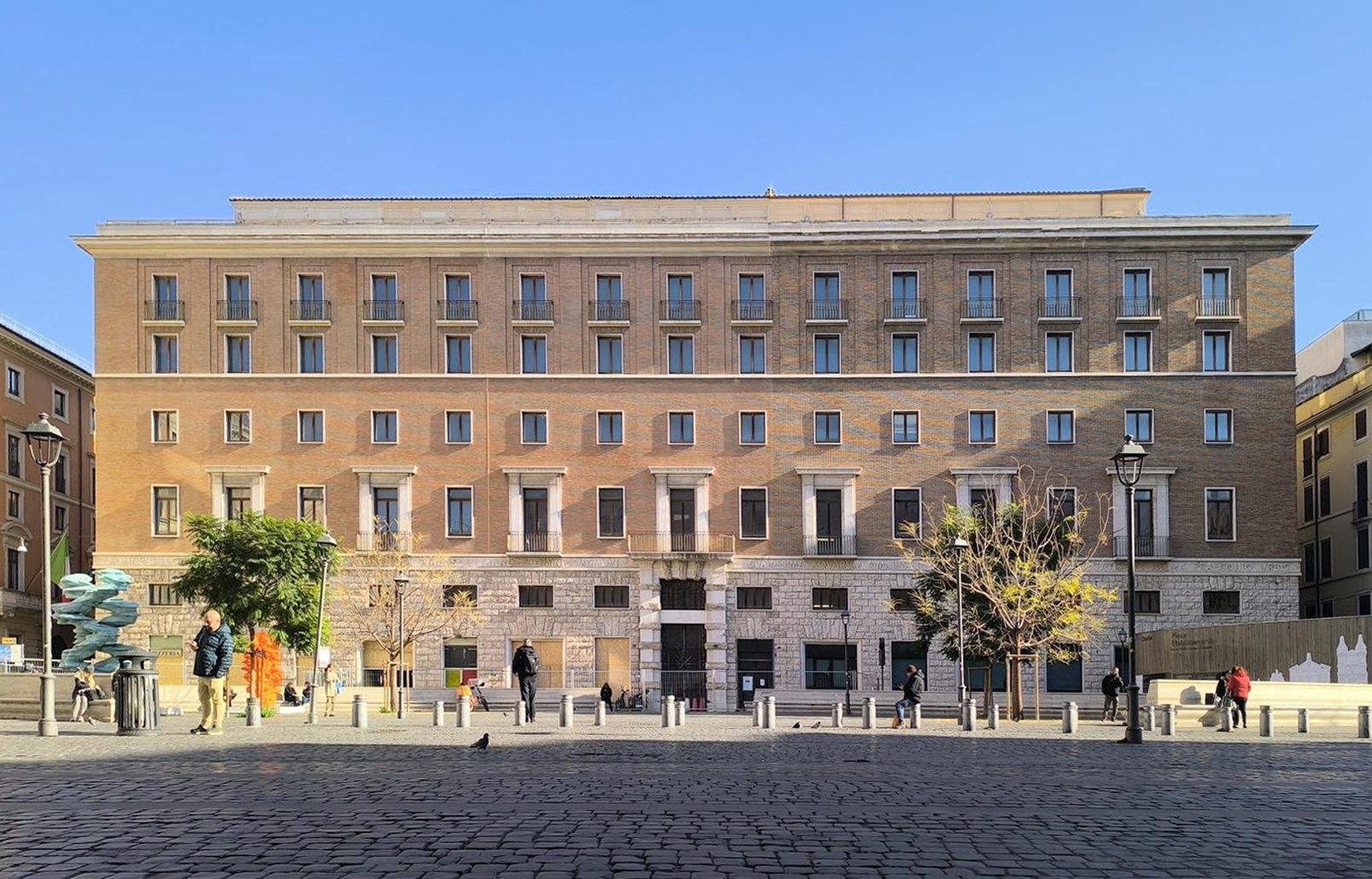
The major trend: from offices to luxury hotels - The most significant transformation in the Roman market is probably the conversion of historic buildings into hotel properties in the ultra-luxury segment. In recent years, projects involving historic buildings destined for international brands such as Four Seasons, Six Senses, Nobu and other operators in the luxury segment have been developed or announced. Rome has been identified among the most attractive European cities for new five-star hotels, fueling growing competition for high-end historic palaces.
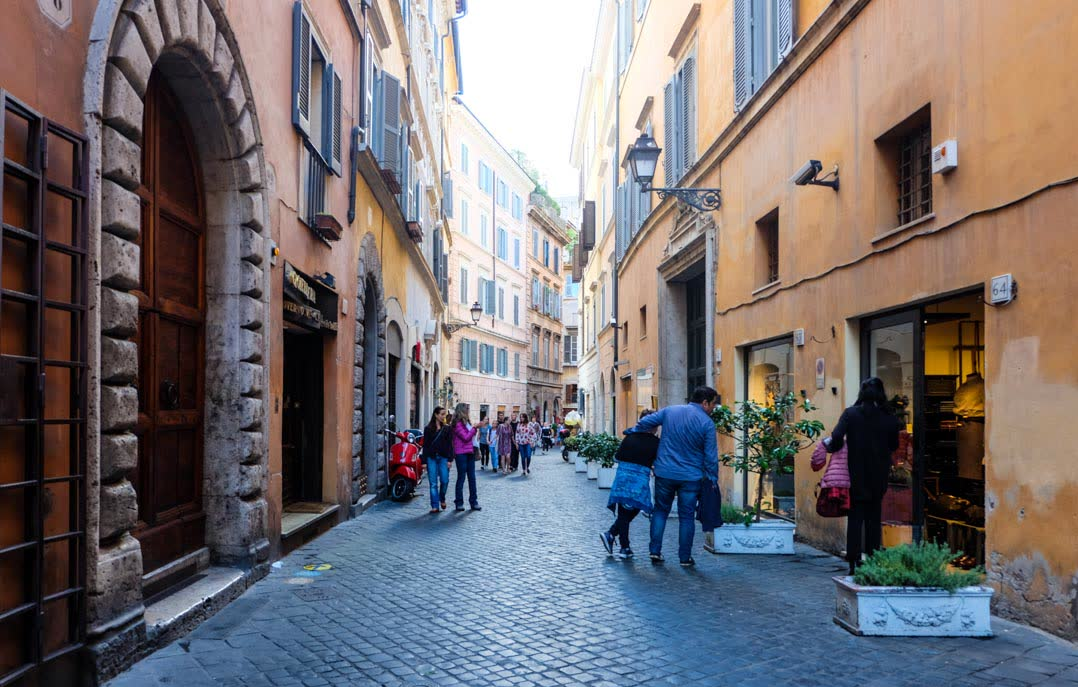
What do these transactions tell us? From the investor’s point of view, three conclusions emerge. First, the Roman market is no longer a local one but decidedly international. The main buyers are now funds, family offices and foreign entrepreneurs. Second, value lies not only in square meters, but in the rarity of the asset: a well-located historic palace in the capital becomes a true “trophy asset”. Third, the hotel and hospitality destination is now the main driver of revaluation, and this has a major impact both on the purchase price and on the final value of the refurbished property, which can be several times higher than the original acquisition cost.
Indicative values of historic palaces and noble portions in Rome (2026) - This estimate does not refer to ordinary apartments, but to historic free-standing palaces; principal floors; apartments with frescoes, reception halls and monument protection constraints; properties intended for hospitality or representative use; off-market assets. Prices are therefore higher than standard residential market readings.
| Area | Historic properties to renovate | Restored properties | Exceptional trophy assets |
|---|---|---|---|
| Campo Marzio | €8,000-12,000/sq m | €12,000-18,000/sq m | €18,000-30,000+/sq m |
| Pantheon | €9,000-13,000/sq m | €14,000-20,000/sq m | €20,000-35,000+/sq m |
| Piazza Navona | €8,500-12,500/sq m | €13,000-19,000/sq m | €18,000-30,000+/sq m |
| Tridente | €9,000-14,000/sq m | €15,000-22,000/sq m | €25,000-40,000+/sq m |
| Barberini – Via Veneto | €7,000-10,000/sq m | €11,000-16,000/sq m | €18,000-25,000+/sq m |
| Historic Prati | €5,500-8,000/sq m | €8,000-12,000/sq m | €12,000-18,000/sq m |
| Historic Parioli | €5,000-7,500/sq m | €7,500-11,000/sq m | €11,000-16,000/sq m |
What stands out from the table above is that in the Roman market there is now a growing gap between ordinary property value and collectible patrimonial value (that of so-called trophy assets, fourth column on the right).
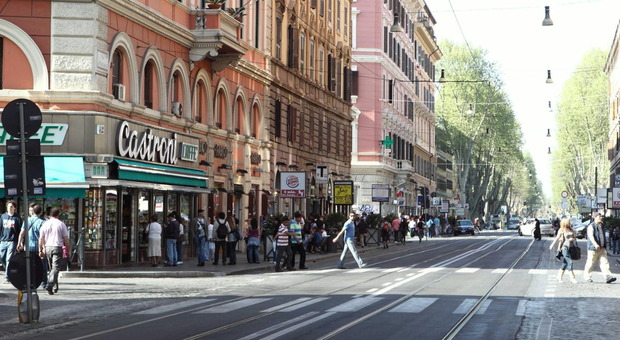
Indeed, an apartment in a 19th-century building in Prati is still valued mainly according to residential logic, but a principal floor in a 17th-century palace overlooking Piazza Navona or Via dei Coronari is increasingly purchased as a safe haven, or as a representative asset and a way of consolidating family wealth in a multigenerational framework. Buying motivations also include having a pied-à-terre for HNWIs and UHNWIs, and in these cases the intrinsic emotional value of the transaction is determined more by rarity than by income.
Forecast 2030 - If the current Roman real estate cycle were to continue, it would be reasonable to expect average annual growth of between 3% and 6% for high-end historic properties. The most likely scenario appears to be the following:
| Area | Restored values 2026 | Expected values 2030 |
|---|---|---|
| Campo Marzio | €12,000-18,000/sq m | €15,000-24,000/sq m |
| Pantheon | €14,000-20,000/sq m | €18,000-28,000/sq m |
| Piazza Navona | €13,000-19,000/sq m | €17,000-26,000/sq m |
| Tridente | €15,000-22,000/sq m | €20,000-32,000/sq m |
| Barberini – Via Veneto | €11,000-16,000/sq m | €14,000-22,000/sq m |
| Historic Prati | €8,000-12,000/sq m | €10,000-15,000/sq m |
| Historic Parioli | €7,500-11,000/sq m | €9,000-14,000/sq m |
The real increase in value, however, may not concern traditional luxury apartments, but rather the segment of historic palaces that can be converted into high-end hospitality, in particular:
- boutique hotels with 25-80 rooms;
- luxury serviced apartments;
- private clubs;
- branded residences;
- mixed-use hospitality.
Rome is currently going through a phase similar to the one Madrid experienced between 2015 and 2022: the arrival of international brands, growth in premium tourism, higher hotel rates and a shortage of available historic buildings.
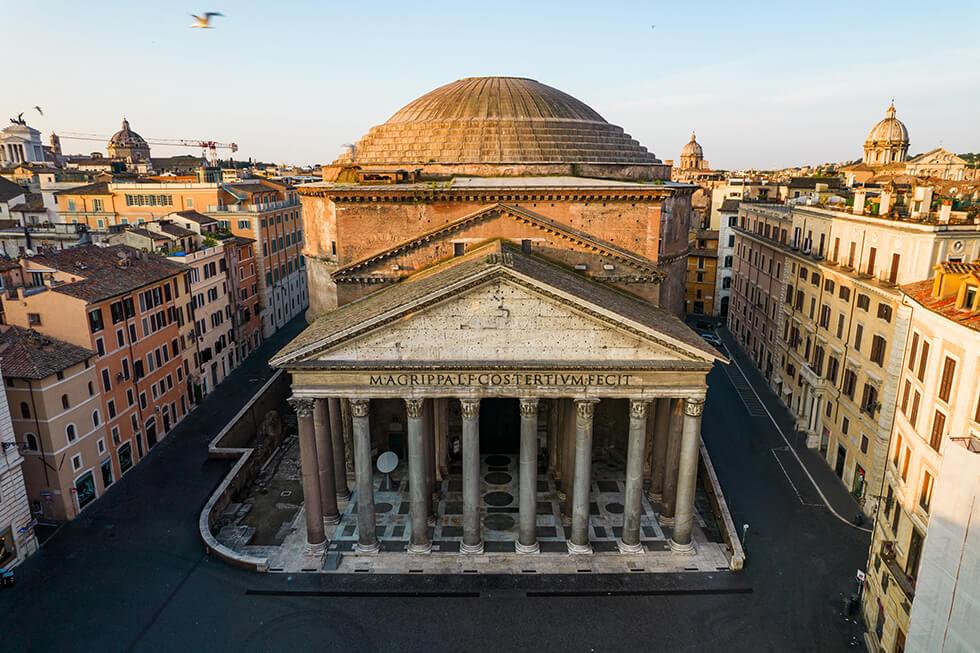
For this reason, it cannot be ruled out that some trophy assets in the Pantheon-Campo Marzio area and near Piazza Navona could reach values above €40,000-50,000/sq m by 2030; levels that today seem exceptional but that in London, Paris and Madrid have already been recorded for particularly rare historic properties. Therefore, the real question is no longer whether Rome’s historic palaces will rise in value, but which properties will actually remain available on the market. Indeed, the gradual transformation of Rome into a global luxury destination is reducing the supply of purchasable historic assets. In a context of growing scarcity, the value of the capital’s finest palaces is increasingly set by their irreplaceability.
Tags
Related articles
Newsletter
The Patrimoni & Finanza newsletter
A considered selection of analysis on economy, Real Estate and wealth
The subscription service is not connected yet: no address is stored