
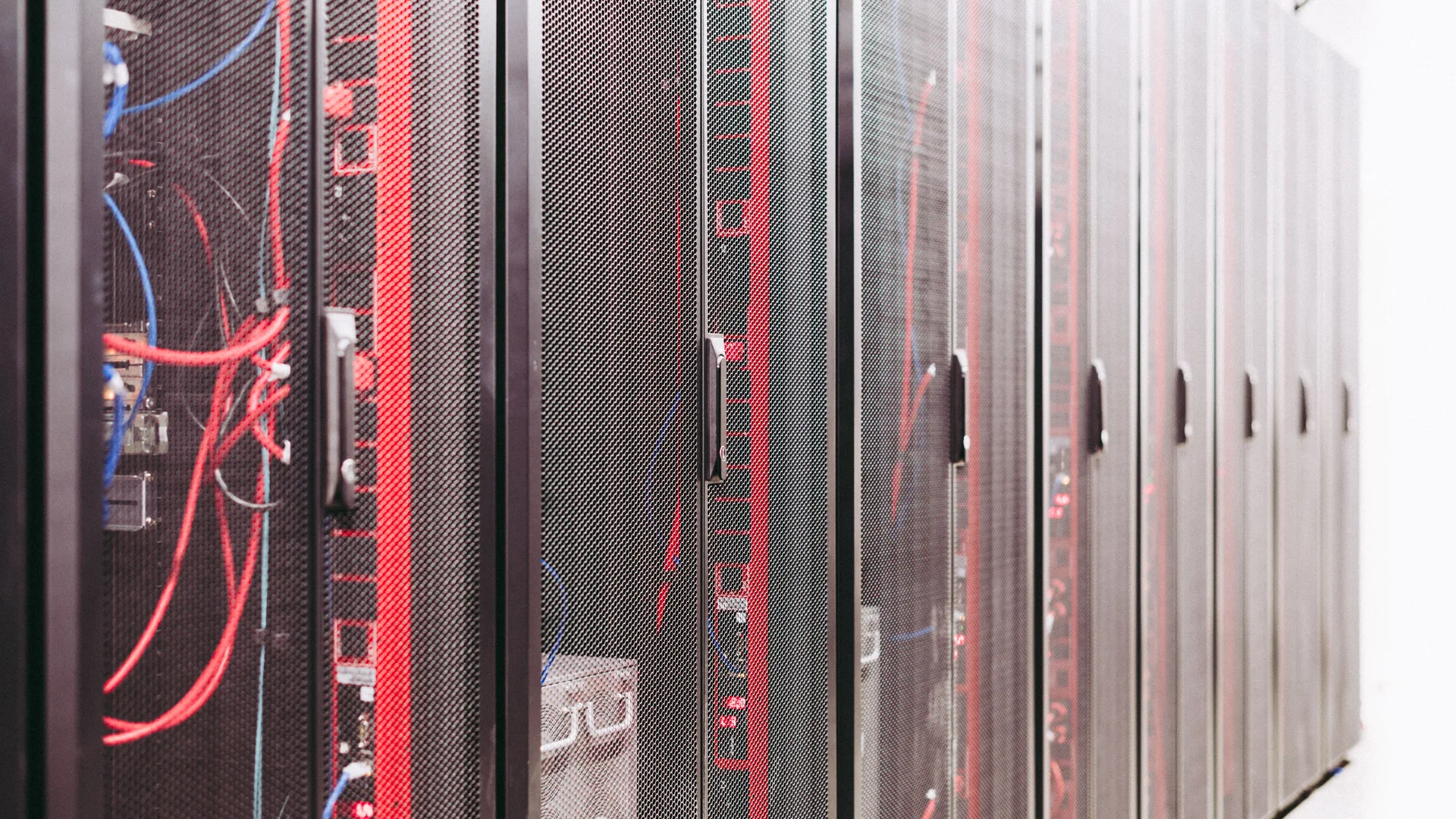
Nvidia after the Huang scandal: who really benefits from the race for Artificial Intelligence?
If data centre usage and services revenues grow enough to remunerate the capital invested, clients will have an economic reason to keep ordering
Jensen Huang left the helm of Nvidia five days before the quarterly results. The resignation, announced on 12 November with immediate effect, hands interim management to Colette Kress, who also retains the role of chief financial officer, while the board seeks a successor. The change at the top opens up a double check for Wall Street. The first concerns Nvidia’s ability to honour commitments to clients and maintain the pace of launches of new platforms. The second concerns those clients themselves: how long will they be able to increase investment in artificial intelligence, and with what returns?
The figures explain why the question goes beyond Nvidia. In the quarter ended in July, the group posted revenue of 96,2 billion dollars, 106% higher year on year, with a gross margin of 75%. Data centres generated 89 billion, around 92% of revenue. For the quarter to be presented on 17 November, the company indicated expected revenue of 108 billion, with a margin of variation of 2% in both directions, without including in the forecast revenue from data centre computing products in China.
Nvidia’s revenue is its clients’ investment
For Nvidia, the sale of a system turns into revenue when the accounting conditions for recognising it are met. For the buyer, the recovery of the investment may take years. The servers must be installed, powered and used enough to generate revenues from cloud services and applications, or measurable savings. In the meantime, spending on facilities absorbs cash and, once they come into operation, depreciation and energy weigh on margins.
Alphabet offers an example of the scale of these commitments. The group expects between 195 and 205 billion dollars of total investment in 2026 and has indicated a further significant increase in 2027. In the same presentation it highlighted the weight of depreciation and energy costs. It also indicated that sales of its TPU systems, designed to accelerate AI workloads, should grow significantly in 2027. It is a point to watch: demand for computing capacity can rise even as a larger share is met with chips alternative to Nvidia’s.
What to watch on 17 November
The comparison with the expected 108 billion will give a measure of the quarter. To assess the next ones, indications on demand for Vera Rubin, Nvidia’s new platform, and on gross margin will matter. If revenues continued to grow with lower margins, the sales mix, start-up production costs and price pressure would have different implications for future earnings. On the succession front, the first check will be confirmation of delivery times and commitments made to major clients. If data centre usage and services revenues grow enough to remunerate the capital invested, clients will have an economic reason to keep ordering. If returns are slow to arrive, they could lengthen the timing of new projects even with AI adoption increasing. It is on this difference that the duration of Nvidia’s exceptional growth depends.
Related articles
Newsletter
The Patrimoni & Finanza newsletter
A considered selection of analysis on economy, Real Estate and wealth
Patrimoni e Finanza — La selezione della settimana: weekly newsletter, sent in Italian
After you submit, if the address can be subscribed you will receive an email with a link to click: the subscription starts only after the click