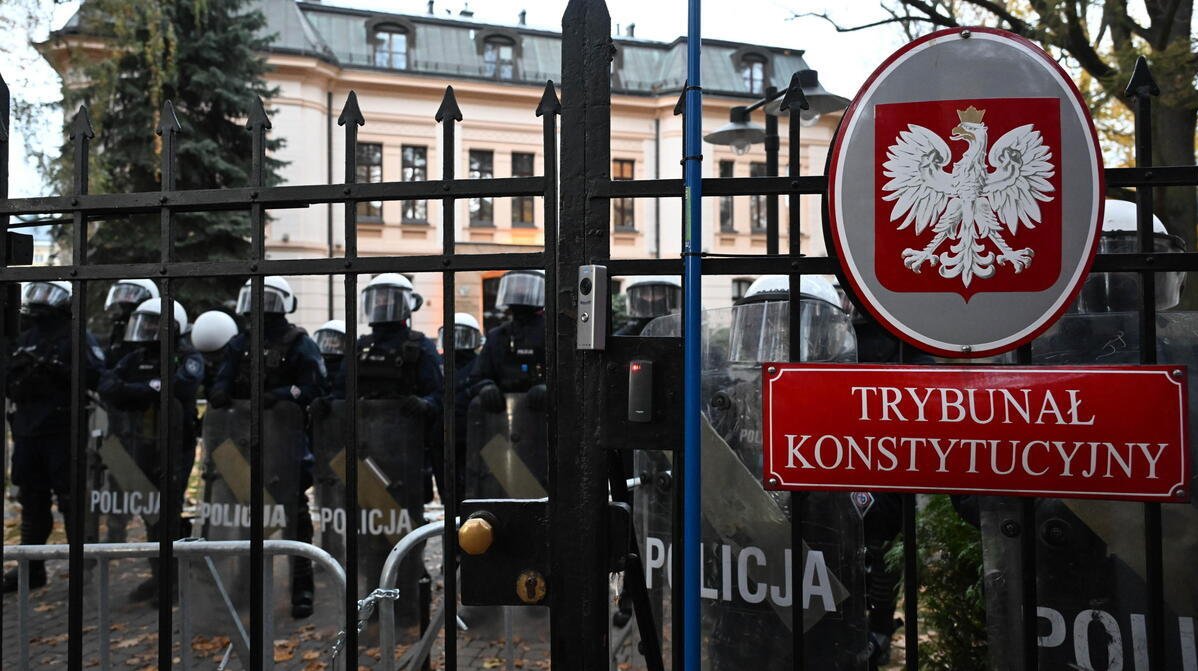
The conflict between the president, the government and the Constitutional Tribunal does not erase the strength of the Polish economy. But, if prolonged, it can make credit and investment more expensive, complicate the repair of the public finances and weaken confidence. The main risk is growth below the country’s potential
If the government were to forcibly increase workers’ disposable income by imposing higher wages on employers, tax support for families and tax relief for businesses, what would the benefits be for consumption, savings and people’s security?
Medical progress is expanding the possibilities of longevity, while low birth rates and ageing are putting welfare under pressure. The economic opportunity depends on the ability to create autonomy, affordable services and quality jobs
The Western social compact was built on a promise: that through commitment and work it would be possible to improve one’s circumstances and ensure a better life for one’s children. Today that promise appears broken, especially for young people
The decline of economic security weakens trust, savings and social cohesion. Redistribution alone is not enough to stop wars, but a society with no prospects becomes more vulnerable to conflict
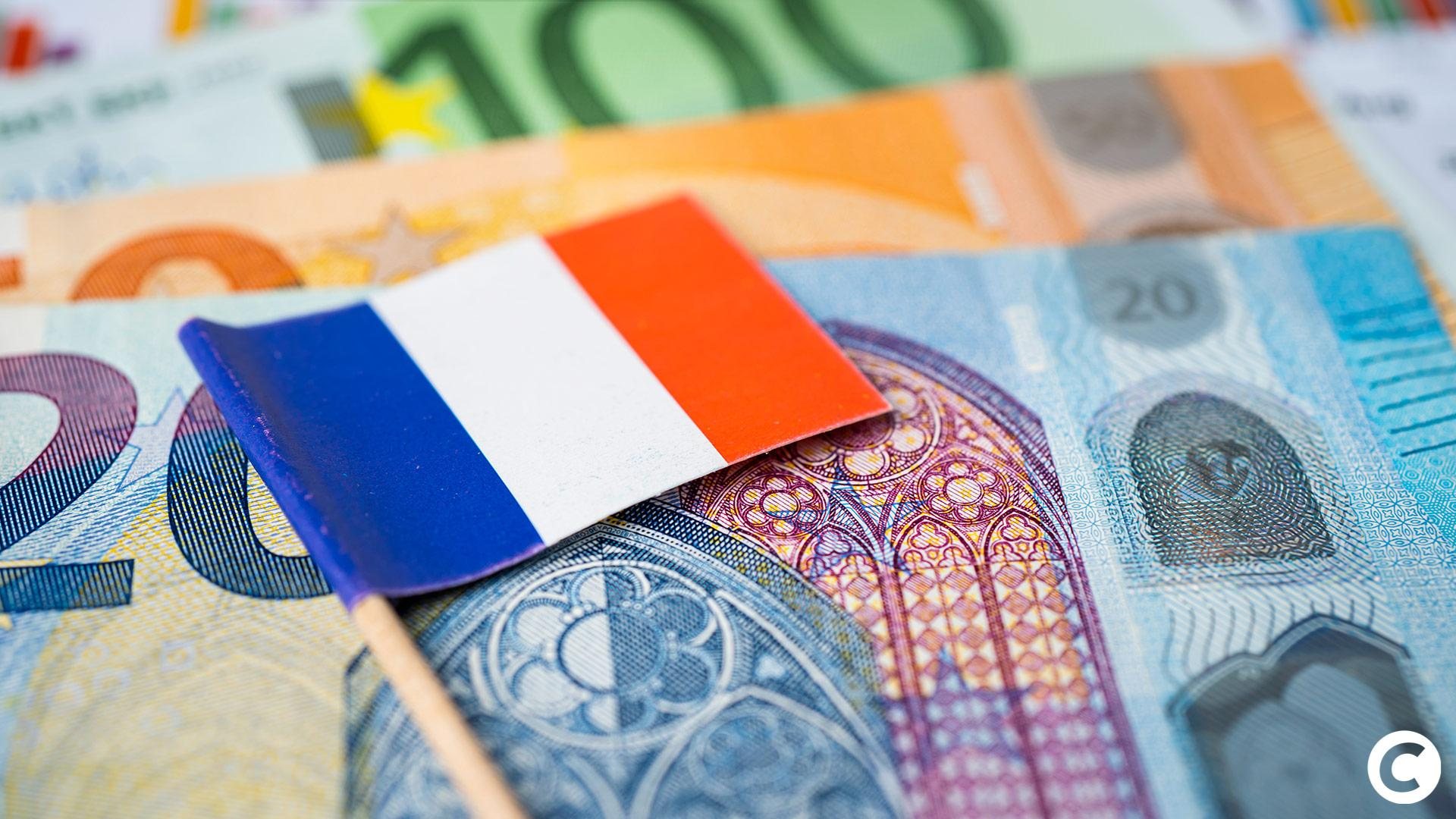
France’s overtaking on yields brings the credibility of public finances back to the center of the stage. Paris has lower debt relative to the economy, but Rome remains exposed to the same trust and refinancing risks